
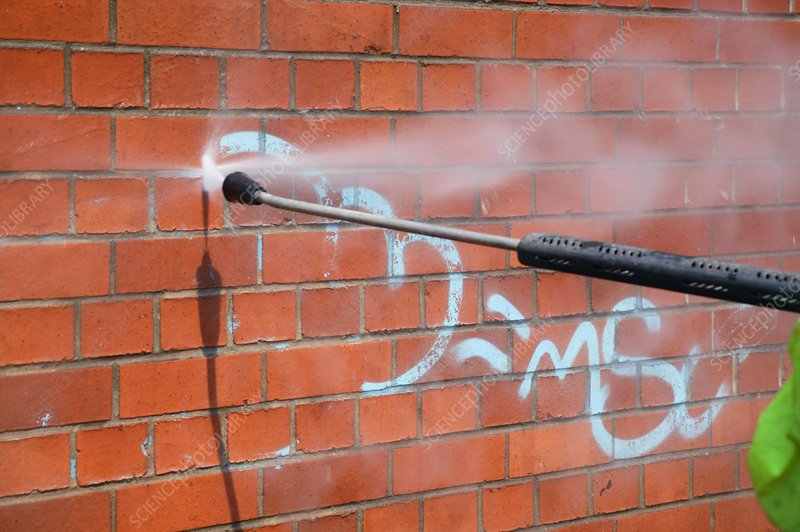
Graffiti is one of the most disruptive property maintenance problems Bay Area business owners and property managers face. Beyond the obvious visual damage, graffiti degrades property perception, invites additional tagging, and — if not removed promptly — bonds progressively more aggressively to the substrate. Speed and the right technique matter enormously.
Why Graffiti Removal Is More Complex Than It Looks
The challenge with graffiti is that "graffiti" isn't one material — it's dozens. Spray paint formulations, markers, stickers, and paint pens all have different chemistries. And the surface being tagged — brick, concrete, stucco, metal, painted wood, glass — responds differently to cleaning methods. A technique that works perfectly on concrete block can permanently damage brick mortar. A chemical that strips paint graffiti instantly can bleach stucco.
The most common mistakes in DIY graffiti removal:
- Using the wrong chemical on the wrong surface — bleach-based products damage concrete and masonry
- High-pressure cold water without chemical pre-treatment — drives paint deeper into porous surfaces
- Wire brushing or abrasive tools — scratches masonry and damages surface coatings permanently
- Using paint rollers to paint over graffiti — visible through subsequent tagging and doesn't match surrounding surface
- Waiting too long — fresh graffiti removed within 24–48 hours comes off with minimal effort; week-old graffiti requires far more aggressive treatment
The Right Approach by Surface Type
Concrete and Masonry
Most Bay Area commercial concrete responds well to hot water pressure washing with chemical graffiti remover pre-treatment. The process: apply graffiti remover, allow dwell time (5–15 minutes depending on product and soiling), then hot water pressure wash at appropriate PSI. For unpainted concrete, this typically achieves near-complete removal. For sealed or painted concrete, there may be some ghosting that requires additional treatment or sealing.
Brick
Brick is one of the most challenging graffiti substrates. The mortar is porous and vulnerable to aggressive cleaning. We use lower-pressure hot water with pH-neutral graffiti removers to protect mortar integrity. Results are generally excellent but multiple treatments may be needed on older or very porous brick.
Stucco
Stucco requires careful low-pressure treatment — high pressure damages the surface permanently. Chemical graffiti remover with soft-wash application typically achieves good results on smooth stucco. Textured stucco is more challenging because paint hides in the texture profile.
Metal (Rollup Doors, Dumpster Enclosures, Fencing)
Metal surfaces generally respond best to solvent-based graffiti removers followed by pressure washing. The hard, non-porous surface allows more aggressive chemical application. Full removal is usually achievable on unpainted metal.
Painted Surfaces
When graffiti is applied to a painted surface, the goal is typically to remove the graffiti without damaging the underlying paint. This requires chemical graffiti removers specifically formulated for painted substrates. Results vary significantly based on paint type, age, and the graffiti medium.
⏱️ The 48-hour rule: Graffiti removed within 48 hours of application achieves significantly better results with less effort and lower cost than graffiti that has had time to cure and bond. If you have a graffiti incident, call immediately — don't wait for your scheduled cleaning.
Anti-Graffiti Coating: Prevention After Removal
For properties with recurring graffiti problems — common in certain Bay Area neighborhoods — anti-graffiti protective coating dramatically changes the cleaning equation. Applied after initial removal, these coatings create a sacrificial barrier that prevents graffiti from bonding to the substrate. Future graffiti wipes off with minimal effort and no chemical treatment. The coating is reapplied after each removal event.
For properties that experience multiple graffiti incidents per year, anti-graffiti coating pays for itself quickly in reduced removal labor.
Documentation and Insurance
We provide before and after photo documentation for all graffiti removal jobs. This documentation supports insurance claims when applicable and provides a visual record of property condition. Many commercial property insurance policies cover graffiti removal — check your policy before paying out of pocket.