
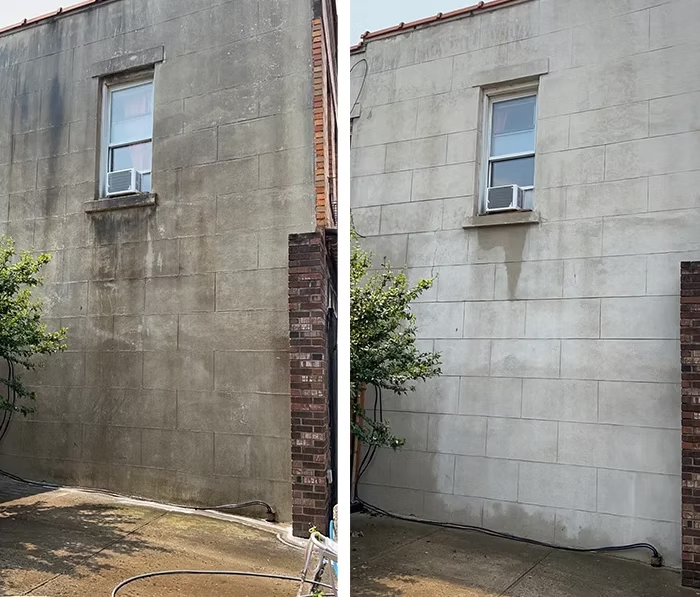
Every year, Bay Area property owners watch the rain come in November and hope it will help clean up their buildings and parking lots after the dry summer season. It almost never does. In fact, after a wet winter, many commercial properties look significantly worse than they did before the rain started. Understanding why helps you make better decisions about your exterior maintenance program.
What Rain Actually Does to Commercial Surfaces
It Mobilizes Dirt — Into Streaks and Patterns
Rain doesn't remove soiling from building exteriors and concrete surfaces — it moves it. Water runs down building facades, carrying particulates and deposits from upper surfaces to lower ones, creating vertical streak patterns and dark accumulation lines that are often more visually impactful than the original even soiling was.
It Leaves Mineral Deposits
Bay Area rainwater contains dissolved minerals that it picks up from the atmosphere and, significantly, from the building materials and soiling it washes across. When rainwater evaporates from glass, concrete, and masonry surfaces, it leaves these minerals behind as white or hazy deposits. This is especially visible on darker building facades and glass storefront surfaces.
It Activates Biological Growth
The Bay Area's wet winters create ideal conditions for algae, mold, mildew, and lichen growth on exterior surfaces. The combination of moisture, moderate temperatures, and the organic material already present on surfaces from the dry season creates a growth environment that accelerates rapidly from November through February. By March, many Bay Area buildings show visible green or black biological staining that wasn't visible in October.
It Disperses Oil and Petroleum from Paved Surfaces
Parking lots and garage floors accumulate months of petroleum residue during the dry season. The first rain of the season mobilizes this oil, spreading it across the surface in a thin, ugly sheen. You've seen this on Bay Area roads in October — the same effect happens at scale on commercial paved surfaces.
🌧️ The October opportunity: The optimal window for parking lot and exterior building washing is immediately before the first significant rain of the season — typically late September or October. Clean surfaces don't have accumulated oil to mobilize, and the first rains wash clean surfaces more effectively. Most property managers who clean in October report significantly better-looking properties through the winter.
What Actually Removes These Issues
Biological Staining (Algae, Mold, Mildew)
Biological growth on building facades requires chemical treatment to kill the organism, followed by pressure washing to remove the residue. High-pressure cold water alone does not kill algae and mildew — it dislodges visible portions while leaving roots and spores embedded in the surface, where regrowth occurs within weeks. Hot water with appropriate biocidal treatment achieves genuine, lasting results.
Mineral and Hard Water Deposits
Mineral deposits from rain and sprinkler systems require acid-based cleaning agents to dissolve the crystalline mineral bonds. Pressure washing without appropriate chemical treatment moves deposits but doesn't remove them — they redeposit as the water evaporates.
Oil and Petroleum on Paved Surfaces
Petroleum soiling requires hot water and commercial degreaser for genuine removal. Cold water washing can create the appearance of improvement immediately after cleaning, but the oil re-deposits as the surface dries and temperatures drop.
The Right Cleaning Calendar for Bay Area Properties
Based on 26 years of commercial cleaning in the Bay Area, we recommend:
- September / October: Full exterior cleaning and parking surface washing before rainy season — this is your most impactful annual cleaning
- February / March: Post-rain biological staining removal, mineral deposit treatment, and facade cleaning — clean up winter damage before spring business season
- June / July: Mid-year maintenance pass — pollen, dust, and summer soiling removal
Properties on this three-cleaning annual calendar consistently look better year-round than properties that clean reactively or wait for rain to do the work.